The Education System Wasn’t Designed Around Your Child’s Curiosity

Children are naturally curious. From asking endless questions about the world to experimenting with everyday objects and imagining extraordinary possibilities, their desire to understand how things work is an important part of growing up. Yet, somewhere along the educational journey, this natural curiosity can become overshadowed by structured lessons, examinations, standardized expectations, and the pressure to achieve particular grades. Traditional education systems have largely been organized around established curricula, measurable outcomes, and consistent teaching methods. Although these structures provide important foundations for learning, they do not always accommodate the different ways children explore, understand, and interact with the world. This raises an important question: are we educating children to become curious thinkers, or simply teaching them to follow instructions and produce correct answers?
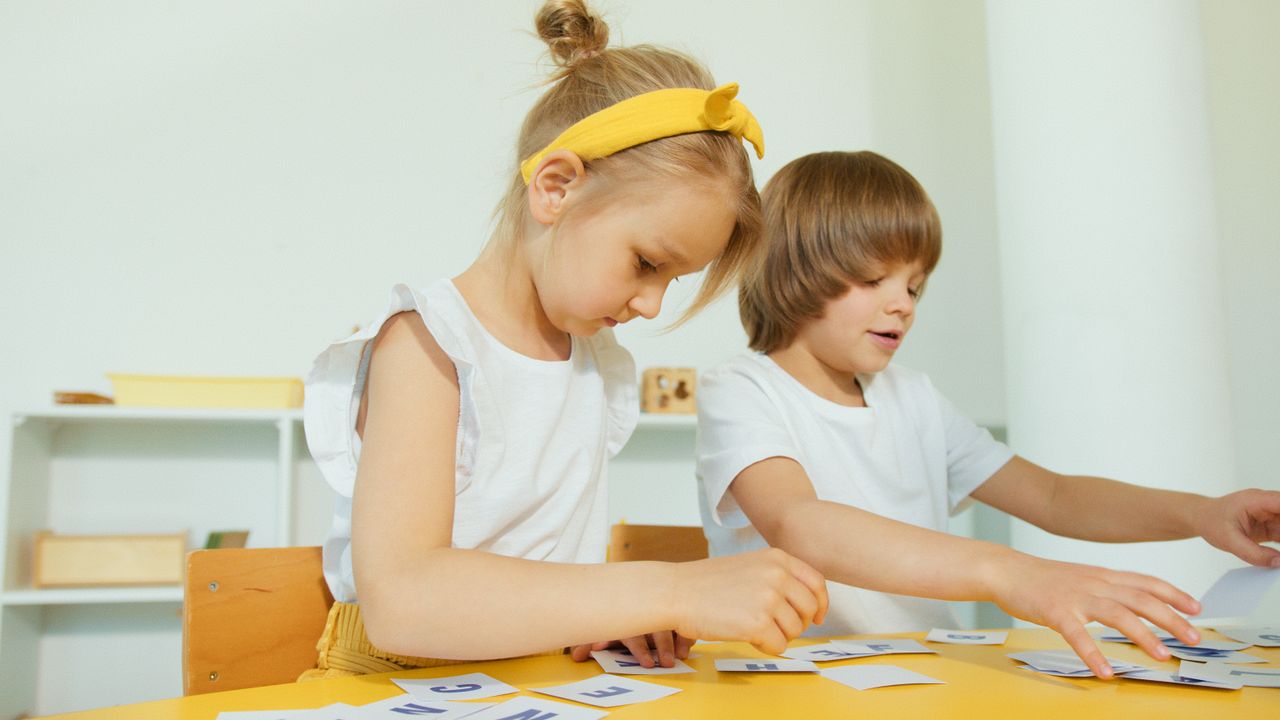
Learning Is Often Measured Through Grades Rather Than Curiosity
Academic performance is commonly evaluated through examinations, assignments, and standardized assessments. While these methods help measure certain aspects of knowledge, they cannot always capture a child’s creativity, imagination, or ability to ask meaningful questions. A child who struggles with written examinations might demonstrate exceptional problem-solving skills or practical intelligence. When grades become the primary measure of achievement, children may focus more on getting correct answers than on genuinely understanding the subjects they study.
Children Learn Differently, but Classrooms Often Follow One Approach
Every child has a unique way of processing information. Some learn best through reading, others through visual explanations, practical activities, discussion, or experimentation. However, traditional classroom environments often rely on similar teaching approaches for large groups of students. Although teachers work hard to accommodate different learning needs, limited time and curriculum requirements can make it difficult to give individual attention. Recognizing that children learn differently is essential to creating educational experiences that encourage participation and genuine understanding.
Too Much Focus on Correct Answers Can Discourage Questions
Questions are at the heart of meaningful learning. When children ask why something happens or whether an alternative solution might work, they are developing important thinking skills. However, environments that prioritize completing lessons quickly and producing expected answers may unintentionally discourage exploration. Children can become reluctant to ask questions if they fear appearing incorrect or falling behind. Encouraging thoughtful discussion and letting students explore different possibilities helps build confidence, independence, and stronger problem-solving skills.

Creativity Deserves More Space in Education
Creativity is not limited to painting, music, or other artistic activities. It also involves imagining solutions, connecting different ideas, experimenting, and approaching challenges from unfamiliar perspectives. These abilities are valuable across science, technology, business, communication, and everyday life. However, when educational programs become heavily focused on academic targets, creative exploration may receive less attention. Giving children opportunities to build, design, perform, write, and experiment can help them discover interests that traditional classroom activities might not reveal.
Real-World Experiences Can Make Learning More Meaningful
Children often understand concepts more effectively when they can connect classroom lessons to real-life experiences. For example, learning about plants becomes more engaging when students grow their own vegetables, while mathematical concepts can become clearer through cooking, shopping, or building simple projects. Practical experiences allow children to observe, question, test ideas, and learn from mistakes. Combining academic instruction with hands-on activities can make education more relevant while helping children develop skills that extend beyond examinations.
Parents Have an Important Role in Protecting Curiosity
Education does not begin and end in the classroom. Parents can support children’s natural curiosity by creating opportunities for exploration at home. Encouraging questions, reading together, visiting museums, exploring nature, and allowing children to experiment with different hobbies can strengthen their enthusiasm for learning. Importantly, parents should avoid treating every activity as another performance opportunity. Sometimes, children need the freedom to explore something because they find it interesting, without worrying about grades or immediate results.
The Future Requires More Than Academic Knowledge
As technology and workplaces continue to evolve, children will need more than the ability to memorize information. Critical thinking, adaptability, communication, creativity, and independent problem-solving are becoming increasingly important. These abilities develop through experiences that encourage curiosity and active participation. Education should therefore prepare children not only to pass examinations but also to question information, understand complex challenges, and confidently explore unfamiliar opportunities.
Traditional education provides an important foundation for children’s development, but academic achievement should not come at the expense of curiosity. Children need opportunities to ask questions, experiment, make mistakes, discover interests, and develop their own ways of understanding the world. The goal should not be to reject structured education but to recognize that meaningful learning involves much more than following a curriculum.